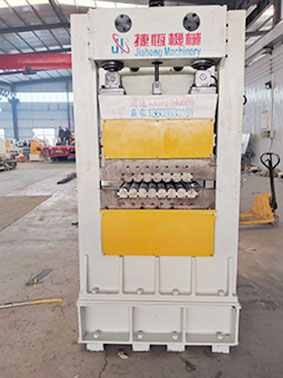
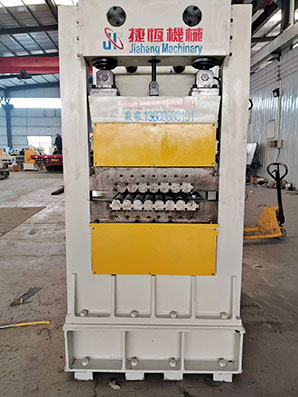
Leveling Machine
Steel leveling machines have significant advantages in the field of metal processing, meeting the demands of high precision, high efficiency, and high stability when handling steel. Below are the main advantages of steel leveling machine equipment:
High-Precision Leveling
Steel leveling machines utilize multi-roller or precision roller systems to effectively eliminate defects such as waves, bends, and twists in steel, ensuring it meets high standards of flatness and satisfies the requirements of precision processing.Improved Material Quality
Through the leveling process, the internal stress of the steel is evenly distributed, significantly enhancing surface quality and providing high-quality raw materials for subsequent processes such as cutting, stamping, and welding.Efficient Production
Automated leveling machines can quickly process large-sized and thick steel, significantly improving production efficiency, reducing manual intervention, and lowering production costs.Strong Adaptability
Steel leveling machines can handle various types of steel, including cold-rolled steel, hot-rolled steel, stainless steel, and alloy steel, while adapting to materials of different thicknesses, widths, and hardness levels, meeting diverse production needs.Energy Efficiency and Environmental Protection
Modern steel leveling machines are designed with high energy efficiency, reducing energy consumption and material waste, aligning with the principles of green manufacturing and sustainable development.User-Friendly Operation
Equipped with advanced CNC systems and touchscreen interfaces, the machines are intuitive and easy to operate, reducing the technical requirements for operators and lowering training costs.High Stability and Durability
Steel leveling machines are constructed with high-strength materials and precision manufacturing processes, ensuring stable operation, long service life, and the ability to withstand high-intensity, long-duration working environments.Intelligent Control
Integrated with intelligent control systems, the machines can monitor parameters such as flatness, thickness, and tension in real-time, automatically adjusting operations to ensure consistent leveling results.Reduced Difficulty in Subsequent Processing
The leveled steel has a flat surface and precise dimensions, reducing the need for adjustments and corrections in subsequent processing, thereby improving overall production efficiency.High Safety
The equipment is equipped with multiple safety protection devices, such as emergency stop, overload protection, and protective covers, ensuring operator safety and reducing the risk of accidents.Reduced Material Waste
Precise leveling control minimizes steel waste, improves material utilization, and saves costs for enterprises.Meeting High-End Manufacturing Demands
Steel leveling machines can meet the high-precision and high-quality requirements of industries such as automotive manufacturing, aerospace, shipbuilding, and construction.Easy Maintenance
The equipment is designed for easy daily maintenance and servicing, reducing downtime and improving operational efficiency.Advanced Technology
The latest leveling technologies, such as hydraulic adjustment, servo control, and intelligent diagnostics, enhance the performance and competitiveness of the equipment.
Summary
Steel leveling machine equipment, with its advantages of high precision, high efficiency, strong adaptability, and intelligent features, has become an indispensable key device in steel processing. It not only improves product quality and production efficiency but also reduces costs and resource waste, creating greater economic benefits for your enterprise.
The "leveling" function of the steel plate leveling machine is one of its core processes, primarily used to eliminate surface imperfections such as unevenness, waves, bends, and twists in steel plates, ensuring they meet high standards of flatness. Below is a detailed explanation of the leveling function of the steel plate leveling machine:
1. Leveling Principle
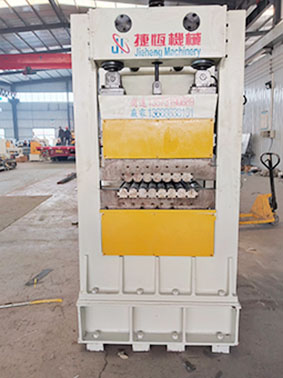
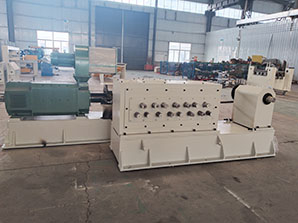
The steel plate leveling machine applies pressure to the steel plate through multiple rollers (upper and lower rollers). The rotation and pressure of the rollers cause plastic deformation of the steel plate as it passes through the roller system, thereby eliminating internal stress and surface irregularities.
The arrangement of the rollers (e.g., staggered arrangement) and pressure adjustment are key to achieving efficient leveling.
2. Leveling Process
Feeding: The steel plate is fed into the leveling machine via a conveying device.
Initial Correction: The front roller system performs rough leveling to remove obvious waves and bends.
Precision Leveling: The middle and rear roller systems perform fine leveling to ensure surface flatness and dimensional accuracy.
Discharge: The leveled steel plate is discharged from the output end and moves to the next process.
3. Leveling Effects
Defect Elimination: Effectively removes waves, bends, twists, and other defects in the steel plate.
Improved Flatness: Ensures the steel plate surface meets high standards of flatness, satisfying precision processing requirements.
Uniform Stress Distribution: The leveling process ensures more uniform internal stress distribution, enhancing the mechanical properties of the material.
4. Leveling Precision
Modern steel plate leveling machines use high-precision roller systems and intelligent control systems, achieving leveling precision of ±0.1mm/m or higher.
Real-time monitoring and automatic adjustments ensure consistent leveling results.
5. Leveling Applicability
Material Types: Cold-rolled steel plates, hot-rolled steel plates, stainless steel plates, alloy steel plates, etc.
Thickness Range: Typically handles steel plates with thicknesses ranging from 0.3mm to 50mm, depending on the equipment model.
Width Range: Can process steel plates with widths ranging from several hundred millimeters to several meters.
6. Leveling Equipment Features
Multi-Roller Design: Uses staggered upper and lower rollers to ensure uniform leveling.
Pressure Adjustment: Hydraulic or mechanical pressure adjustment systems allow flexible control based on plate thickness and hardness.
Intelligent Control: Equipped with CNC systems for automated leveling operations.
Energy Efficiency: Optimized design reduces energy consumption and improves leveling efficiency.
7. Leveling Advantages
Improved Product Quality: Leveled steel plates have flat surfaces and precise dimensions, meeting high-end manufacturing requirements.
Reduced Difficulty in Subsequent Processing: Leveling provides high-quality materials for subsequent processes such as cutting, stamping, and welding.
Reduced Material Waste: Precise leveling minimizes steel plate waste and improves material utilization.
Strong Adaptability: Can handle various types, thicknesses, and widths of steel plates, meeting diverse production needs.
8. Leveling Applications
Automotive Manufacturing: Used for leveling body and chassis steel plates.
Aerospace: Used for leveling high-precision structural steel plates.
Shipbuilding: Used for leveling hull steel plates.
Construction Industry: Used for leveling structural steel plates.
Home Appliance Manufacturing: Used for leveling exterior steel plates.
9. Leveling Equipment Maintenance
Regularly inspect roller wear and replace worn rollers promptly.
Keep the equipment clean to prevent impurities from affecting leveling results.
Regularly lubricate the equipment to ensure smooth operation.
Summary
The leveling function of the steel plate leveling machine, through multi-roller design and intelligent control, efficiently and precisely eliminates surface imperfections in steel plates, enhancing product quality and production efficiency. Its wide range of applications and significant advantages make it an indispensable key piece of equipment in steel plate processing.