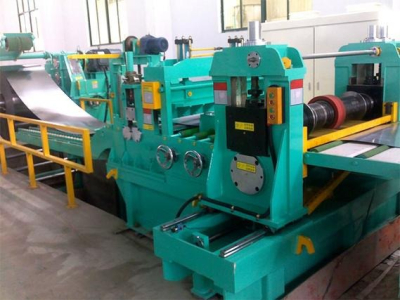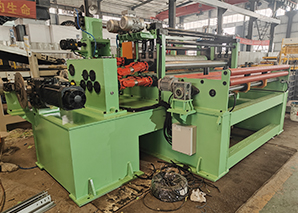
straighten and feed into the process
Main Advantage Points
More stable feeding: The coil is fed with smooth and consistent timing, reducing misalignment and vibration.
Precise positioning: Guide/limit designs improve infeed centering accuracy, reducing edge scratches and dimensional errors.
Wider applicability: Compatible with different coil widths and thicknesses, enabling easier and faster changeovers.
Better transmission damping: Shock-reduction features and well-matched rollers/roller tables minimize impact from initial loading.
More user-friendly tension/speed control (if equipped): Improves leveling consistency and reduces residual waviness.
Higher efficiency: Automated feeding reduces manual operation and waiting time, increasing overall line productivity.
Protects material surface: Roller surface treatment and properly distributed pressing force reduce the risk of scratches and dents.
Lower scrap rate: Stable, well-centered feeding reduces front-end defects and improves yield.
Simpler operation (if equipped): Touchscreen and stored programs for recipe-based changeover shorten setup and commissioning time.
Seamless integration with the leveling line (system advantages): Interlocked communication between upstream and downstream processes reduces the risk of line stoppages.
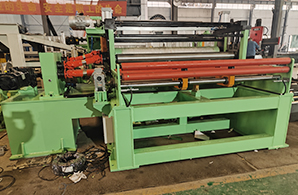
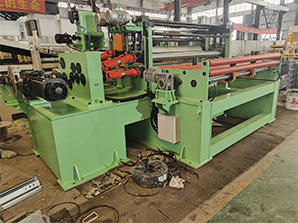
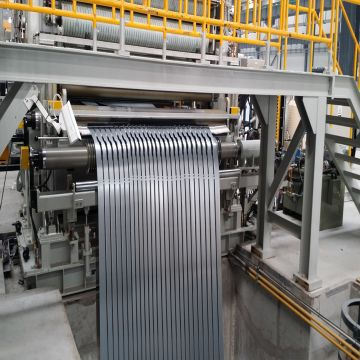
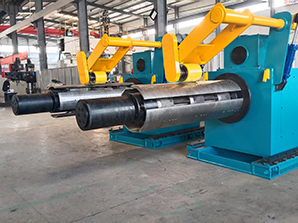
The leveling infeed is located between the uncoiler and the leveling machine. It is responsible for feeding the coil material into the leveling machine in a stable, accurate, and safe manner, thereby ensuring consistent leveling quality and improved line operating efficiency.
1) Main Functions
Stable coil feeding into the leveling machine: Provides continuous and smooth feeding with consistent timing, reducing infeed vibration and speed fluctuations.
Improved centering and guiding accuracy: The guide/limit structures ensure the strip enters the leveling machine in the correct centered position, reducing the risk of misalignment.
Better initial loading condition: Damping and roller-structure matching reduces impact at the front end, lowering defects such as wrinkling, slipping, and crushing/press marks.
Consistent operating conditions for leveling (if equipped with tension/speed control): Makes the tension and speed before the leveling machine more uniform, improving the consistency of the final flatness.
2) Core Structure / Configurations
Infeed roller conveyor / roller system: Supports and guides the strip, adaptable to different widths and thicknesses.
Guiding and limiting devices: Achieve stable infeed and centering, reducing edge damage.
Damping and buffering design: Reduces initial impact loads and improves feeding smoothness.
Tension/speed control: Works with VFD control to maintain stable feeding timing and leveling performance.
Automatic coil loading (if equipped): Program-controlled parameters shorten setup and changeover time.
3) Product Advantages
More stable feeding: Smooth timing reduces misalignment and vibration.
More precise positioning: Improves centering accuracy and reduces edge scratching and errors.
Broader applicability: Compatible with multiple coil specifications for easier changeovers.
Protects the material surface: Proper roller surface treatment and pressure distribution reduce the risk of scratches and dents.
Lower scrap rate: Reduces front-end defects, minimizing rework and stoppages.
Higher efficiency: Automated infeed reduces manual operations and improves line productivity.
Smoother integration with the leveling line (system advantage): Interlocked coordination between upstream and downstream processes reduces the risk of line downtime.