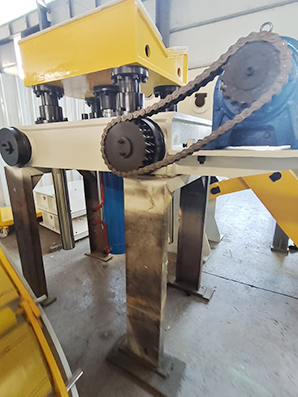
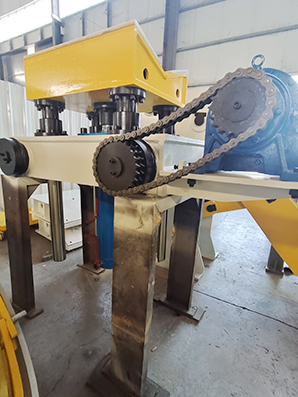
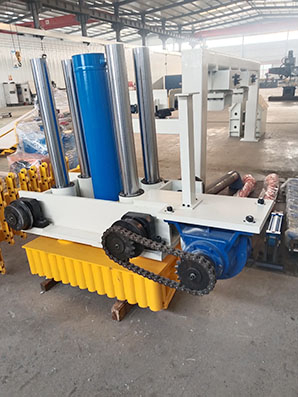
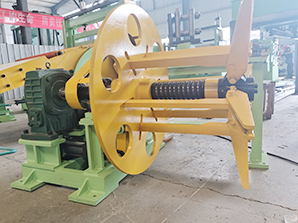
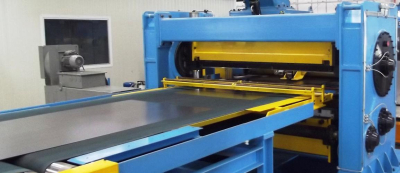
coil loading cart
Section One: Core Units and Functions Overview
Loading/Feeding Unit
Purpose: Carry, transport, and position coils, heavy plates, pallets, etc., providing seamless interfacing with downstream processing, thereby shortening changeover time.
Drive and Walking Unit
Purpose: Provide stable forward/backward movement, steering, and positioning capability, ensuring efficient maneuverability and safety in narrow channels.
Lifting and Gripping Unit
Purpose: Achieve loading, lifting, gripping, and releasing of parts with different heights and forms, improving stability and safety of handling.
Guiding and Positioning System
Purpose: Realize precise alignment, centering, and positioning, reducing error accumulation and improving downstream yield.
Safety and Protection Unit
Includes emergency stop, limit switches, guard rails, fall protection, etc., ensuring operator and material safety and meeting industry standards.
Control System and Interfaces Unit
Centralized control, status monitoring, interfaces with MES/ERP, robots, conveyors, etc., supporting automation upgrades.
Section Two: Key Components and Technical Points
Load/Support Structure
High-strength chassis and support structure optimized for dynamic loads of steel, suppressing vibration and displacement.
Lifting and Gripping Mechanisms
Adjustable lifting travel, interchangeable grippers/pallet interfaces, compatible with various steel specifications (plates, coils, bars, profiles).
Pallet and Workpiece Interfaces
Anti-slip, anti-crush design, edge protection and flexible gripping to reduce damage to workpieces during handling.
Guiding and Alignment System
Precision guide rails, positioning sensors, corrective/offset mechanisms ensuring fast alignment and repeatable positioning.
Drive and Power Management
Electric or hybrid drive options, energy efficiency optimization, noise control, endurance solutions (e.g., batteries or on-site power).
Safety Design
Overload protection, emergency stop, limit switches, guard rails, light curtains, etc., meeting CE/ISO 13849 safety standards.
Maintainability and Durability
Modular design, standard components easy to procure, accessible lubrication and maintenance points to reduce downtime.
Section Three: Technical Parameters and Interfaces (Template; actual parameters are model-specific)
Maximum Load/Side Load Capacity: 1.5–5 t range, customized per model
Lifting Stroke: 0–600 mm (customizable)
Propulsion/Travel Method: Electric drive, hybrid, or manual assist; endurance options (on-site charging, battery swap, etc.)
Turning Radius and Passability: Minimum turning radius, wheelbase, chassis height to fit production line channels
Power and Communication: 380 V/50 Hz or site-specific; supports Ethernet, MODBUS, PROFINET/EtherCAT, USB/HMI interfaces
Dimensions, Weight, and Footprint: 3D layout and footprint provided according to configuration
Environment and Certification: operating temperature, dust protection, anti-corrosion surface treatment, relevant safety certifications
Section Four: Customization Options and On-site Adaptation
Load Form Customization: Special fixtures and pallets for steel sheets, coils, bars, profiles, etc.
Pallet and Fixture Design: Quickly interchangeable fixtures, adjustable lift arms, edge protection designs
Lifting and Positioning Stroke Customization: Tailored to site height differences and workstation layout
Energy and Control Integration: Deep integration with existing MES/ERP, robots, line pull/roll processing
Surface Protection and Durability: Dustproof, corrosion-resistant, high/low-temperature resistant coatings and materials
Remote Diagnostics and Maintenance Services: Cloud data, remote fault diagnosis, predictive maintenance, and upgrade plans